

 (416) 656-1170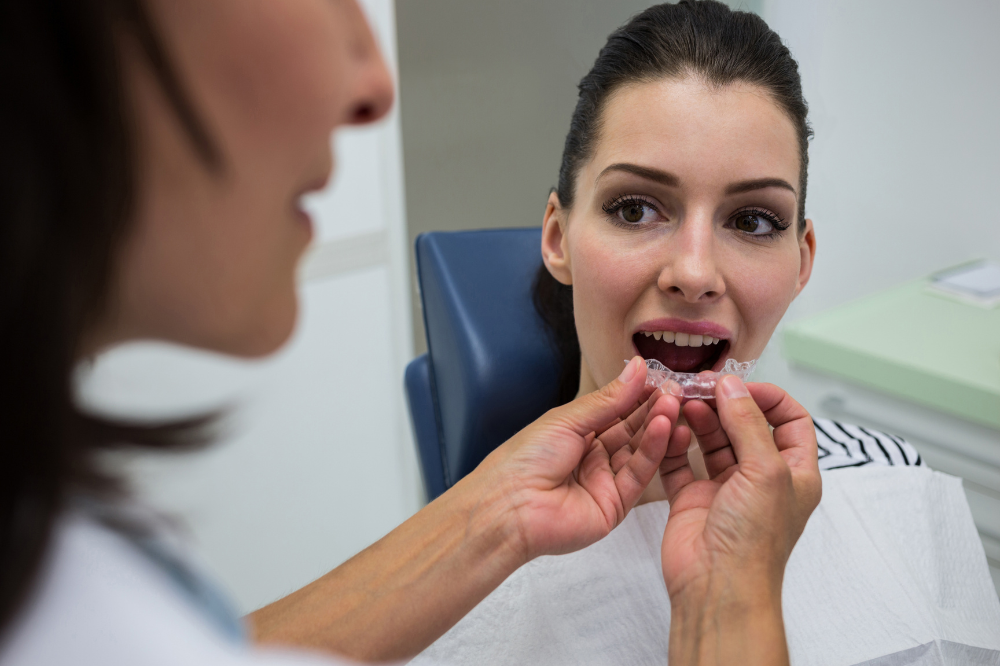
Protecting your pearly whites during sports is a smart move for any active person. When you visit a dental clinic in York, experts often suggest using a guard to prevent painful injuries. These affordable plastic tools start stiff, but they become soft and flexible once you heat them. This transformation allows the material to wrap around your unique teeth for a snug fit. Taking five minutes to do this correctly ensures your mouth stays safe from sudden hits or falls during a game.
Is Preparing Your Workspace the First Step?
Before you start, set up your space so everything is ready. This helps you avoid mistakes with the hot plastic. Quality mouthguards near you usually come with clear instructions, and you’ll need a small stove, a bowl of very cold water, and a timer. Place these items on your counter so the process is quick and simple. Being organized makes sure the material doesn’t burn or get too cold before you bite down.
How Do You Heat the Water Safely?
Fill a pot with enough water to cover the plastic guard completely. Bring the liquid to a rolling boil, then turn off the heat and let the bubbles settle for a few seconds. If you drop the guard into water that is too hot, the plastic might melt into a messy blob. If you feel nervous about this part, a dentist near Downsview can always give you tips on how to handle the material. The goal is to make the plastic feel like firm jelly rather than a liquid.
What Happens During the Soaking Phase?
- Submerge the guard: Use a large spoon to lower the plastic into the hot water.
- Watch the clock: Most brands only need about 40 to 60 seconds to soften up.
- Check the edges: The plastic should start to look slightly clear or curl inward.
- Remove with care: Use your spoon to lift the guard out so you do not burn your fingers.
- Quick cooling: Dip the guard in room temperature water for one second to protect your gums.
How Do You Get a Perfect Tooth Impression?
Once the plastic is warm but safe to touch, place it into your mouth over your top teeth. Use your tongue to push the back of the guard against the roof of your mouth. At the same time, use your fingers to press the outside of the guard against your gums. Sucking out any extra water or air creates a vacuum that pulls the plastic tight. This step is vital for a step-by-step mouthguard molding guide because it ensures the guard won’t fall out while you are running.
Why Is a Cold Water Bath Necessary?
After holding the guard in your mouth for a minute, take it out and drop it into ice water. This sudden chill makes the plastic turn hard again very quickly. If you let it cool down on the counter, the shape might warp or change. A quick soak in a dental clinic near you would follow a similar cooling process for custom gear. The cold water “locks” the shape of your teeth into the plastic forever, so it fits perfectly every time you put it on.
Can You Fix a Guard That Feels Uncomfortable?
If the plastic feels too long or pokes the back of your throat, you can trim the edges with sharp scissors. Smooth out any rough spots by rubbing them with a bit of sandpaper or a fingernail file. If the fit feels loose or wobbly, you can actually boil the water and start the whole process over again. Most guards allow you to try the moulding process two or three times until the fit feels exactly right for your mouth.
How Do You Keep Your Guard Clean?
- Rinse after use: Always wash the plastic with cool water after every practice.
- Use a toothbrush: A light scrub with a soft brush removes any bacteria or spit.
- Air it out: Keep your guard in a vented case so it can dry completely between games.
- Avoid heat: Never leave your gear in a hot car, or the plastic might melt and lose its shape.
Gear Up for a Healthy Smile
We care about keeping your teeth healthy and strong during every activity. Our team provides friendly support to help you choose the right safety gear for your favourite sports. We want every patient to feel confident and safe while they play and compete.
Call us today to book your appointment at Keele Crosstown Dental and keep your smile safe!
Frequently Asked Questions
Does a mouthguard cover my bottom teeth too?
Most athletes only need a guard for their upper teeth because the top row usually takes the most impact. The guard also acts as a soft cushion between your top and bottom teeth. This prevents your jaws from slamming together if you get bumped.
How can I tell if my guard fits correctly?
A well-fitted guard should stay on your upper teeth even if you open your mouth wide or talk. It should not feel like it is falling or making you gag. If you have to bite down to keep it in place, it needs to be moulded again.
Can I use a mouthguard if I have a loose tooth?
If you have a tooth that is wiggling, you should talk to a professional before wearing a tight guard. The pressure from the plastic might pull the tooth out or cause pain. It is always safer to get an expert opinion first.
Will a store-bought guard work as well as a custom one?
A boil-and-bite version provides good basic protection for most recreational sports. However, a custom version from a professional offers a much tighter fit and better breathing. It depends on how much contact happens in the sport you play.
